Paydusa
2025Full-StackTypeScript, Next.js, Medusa, PayloadCMS, PostgreSQL
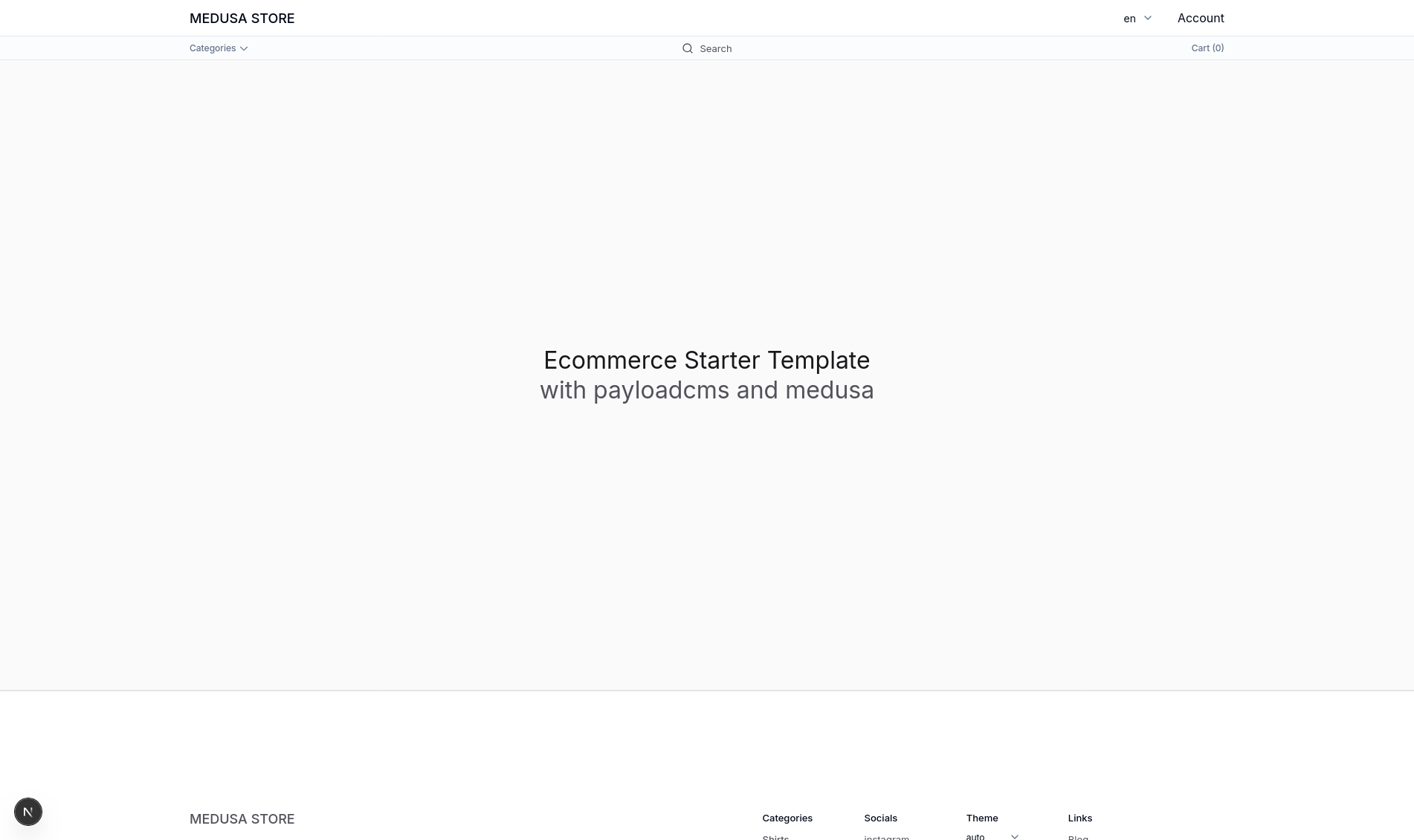
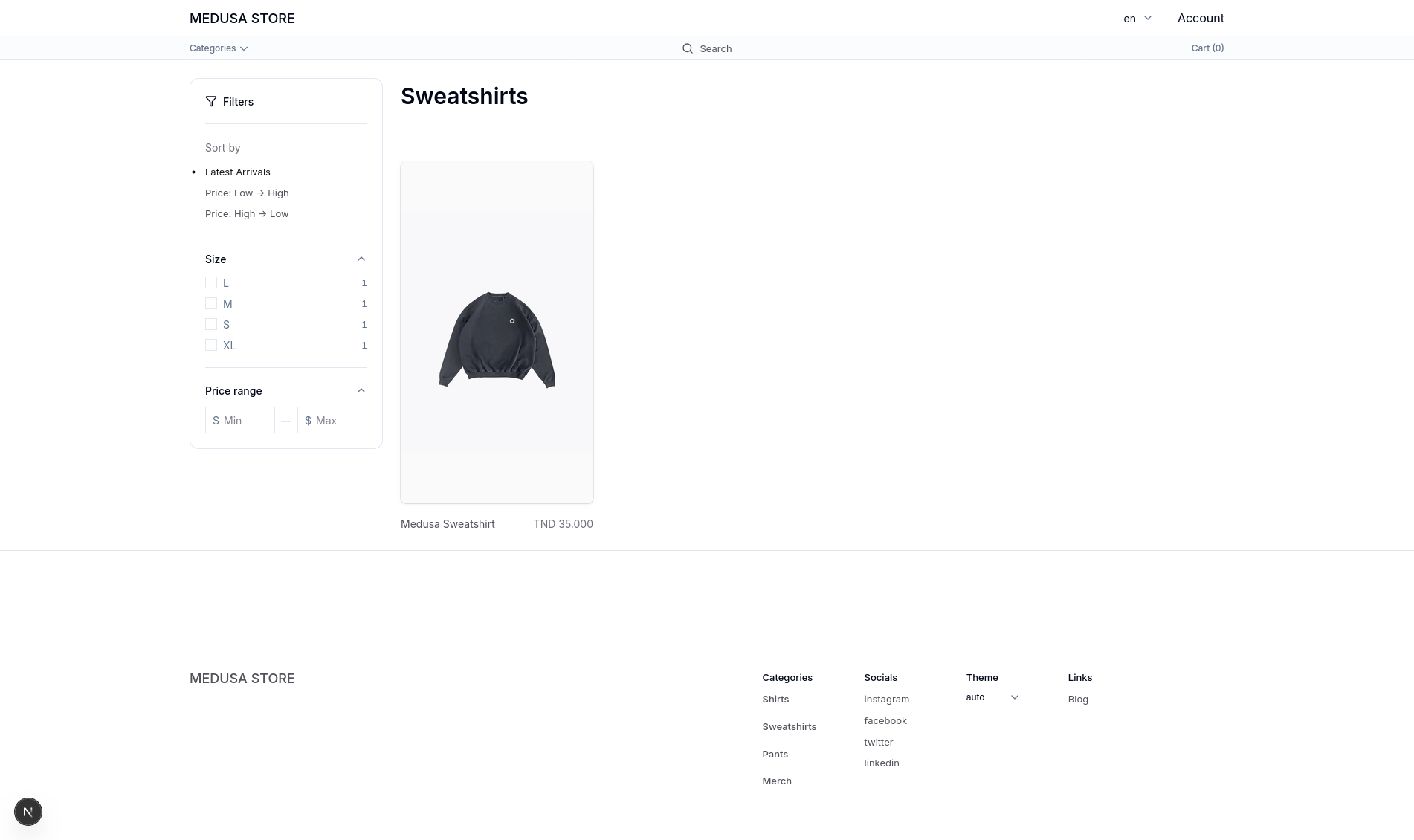
Overview
Paydusa is a modern ecommerce monorepo that combines three powerful technologies into a single, coherent stack:
- Storefront — Next.js application with an embedded Payload CMS admin
- Commerce Engine — MedusaJS backend handling products, carts, orders, and checkout
- Content Management — Payload CMS embedded directly within the Next.js app for managing marketing content
Built with Turborepo for monorepo management and a shared design system.
Architecture
The project is organized as a monorepo with clear separation of concerns:
apps/
  store/        — Next.js storefront with embedded Payload CMS
  medusa/       — Medusa backend for commerce logic
packages/
  ui/           — Shared shadcn/ui components and design system
  medusa/       — Shared Medusa client, types, and utilities
  db/           — Database infrastructure (Docker, migrations)
  config/       — Shared linting and TypeScript configuration
  env/          — Shared environment variable validation (Zod)
Key Features
- Next.js 16.3+ with App Router, React 19
- MedusaJS 2+ for headless commerce
- Payload CMS 3+ for content management
- shadcn/ui design system shared across all apps
- PayloadCMS admin available at
/adminon the storefront domain - Medusa admin hosted on a separate subdomain to avoid route conflicts
- PostgreSQL + Redis via Docker for local development
- TypeScript throughout with Zod validation for environment variables
Development
The setup process is automated — install dependencies, configure environment variables, spin up Docker containers for PostgreSQL and Redis, run migrations, and start both the storefront and Medusa backend in parallel.
URLs
| Application | URL |
|---|---|
| Storefront | http://localhost:8000 |
| Payload CMS | http://localhost:8000/admin |
| Medusa Admin | http://localhost:9100/app |
| pgAdmin | http://localhost:5050 |
Deployment
The two admin interfaces are deployed separately:
- Medusa on a subdomain (e.g.,
api.example.com) to isolate the commerce backend - Payload CMS on the same domain as the storefront at
/adminto keep content management close to the frontend
This avoids route conflicts between Medusa’s API routes (/store/*) and Payload’s admin panel.